MAtv: The Quest for Cold

Share:

Facebook
Twitter
LinkedIn

About the Episode

How have people preserved their food throughout history? What methods did they use? In Where Does It Come From?, we embark on a quest for cold, from the simple ice chest to refrigerated warehouses, including refrigerators and data centres along the way. Don’t miss it!

Guests:

  • Michel Caseault, Guest
  • Sébastien Maranda, Guest – Congebec
  • Simon Careau, Guest
  • Marc Lepire, Guest
  • Jean-Daniel Thériault, Guest
  • Léo Côté, Guest
On Key

More articles

MAtv: The Quest for Cold

People have always looked for ways to keep their food fresh and safe. In Where Does It Come From?, we explore the fascinating world of cold, from the humble icebox to modern refrigerated warehouses. (French version).

Read more »

Congebec’s Mascouche Cold-Storage Hub Lands Top 3 at the 2026 BRCGS Awards

Share:

Facebook
Twitter
LinkedIn
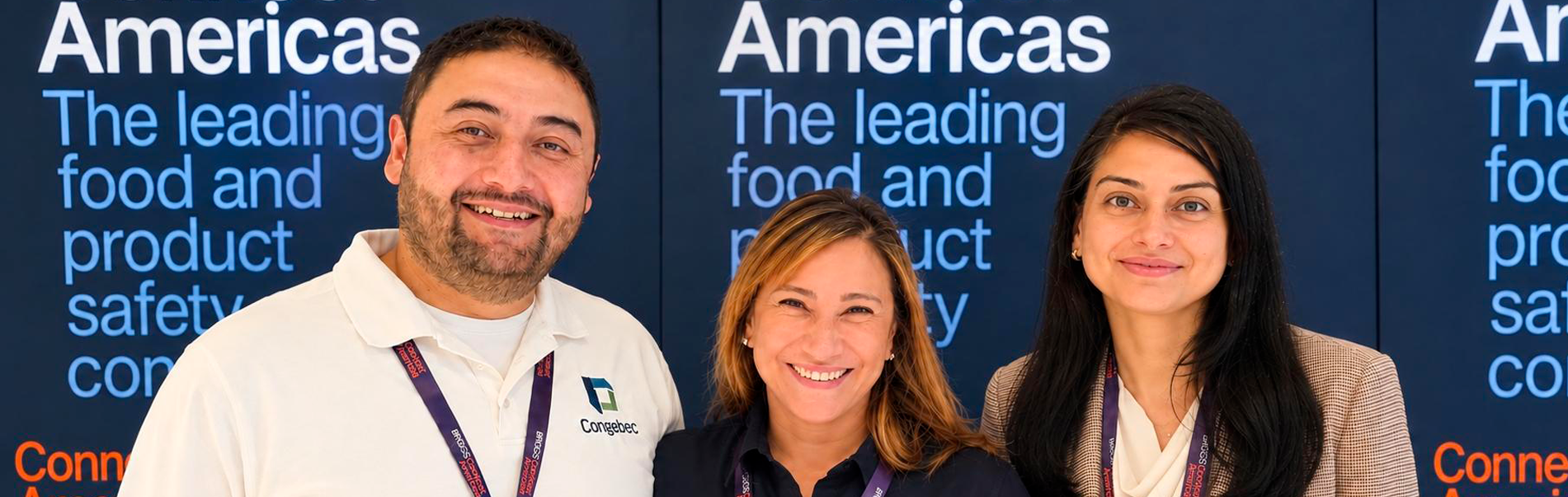
From left to right: Andrés Rodriguez, Food Safety and Health & Safety Coordinator for Toronto and Saskatoon, Carolina Téllez, Director, Quality Assurance and Hardeep Grewal, Quality Assurance Manager, British Columbia.

In the food and beverage industry, the cold chain is where reputations are quietly made or broken. A single traceability gap or temperature lapse can unravel a brand before a product ever reaches the shelf. So when a cold-storage operator earns top-tier recognition for food safety, procurement directors and foodservice executives should take note.Congebec just did exactly that. The Canadian logistics provider announced that its Mascouche facility was named top 3 for the BRCGS Certificated Site of the Year Award for the Americas at the 2026 BRCGS Awards in Nashville—one of three finalists singled out for food safety culture, quality systems, operational discipline and continuous improvement.

A New-Build Freezer Built for the Modern Cold Chain

Opened in 2023 on Montreal’s North Shore, Mascouche is Congebec’s newest construction—and it was engineered from the ground up for exactly this kind of recognition. The industrial freezer offers more than nine million cubic feet of capacity and layers in automation, a highly efficient thermal building envelope and a CO2 refrigeration system.

The facility was designed to expand Congebec’s food logistics capacity in Quebec and strengthen a safe, resilient food supply chain—a priority that has moved from “nice to have” to mission-critical across the foodservice industry.
 
“Being recognized as top 3 among outstanding facilities across the Americas is an important achievement for our Mascouche team,” said Carolina Téllez, Director, Quality Assurance at Congebec. “It reflects the care, rigour and accountability our employees bring to food safety every day.”
 
The Numbers Behind the Nomination

This isn’t a one-off accolade. The Mascouche facility achieved a BRCGS AA rating in 2024, 2025 and 2026, with zero non-conformities recorded in both the 2024 and 2026 audits. That kind of consistency comes from tight collaboration among Operations, Quality Assurance, Maintenance and the frontline employees who safeguard customers’ products—at Mascouche and across Congebec’s Canadian network.Congebec upholds both BRCGS and SQF certification standards, including dual certification at select sites. Its Boucherville and Godin facilities have also earned BRCGS AA ratings with zero non-conformities.The nomination was backed by customer testimonials describing Congebec as professional, responsive and dependable. The supporting letters highlighted traceability, positive audit experiences, accurate follow-up and the company’s commitment to food safety, quality and continuous improvement.

“This recognition confirms that Mascouche is operating among the best facilities in our industry,” said Nicholas-P Pedneault, CEO of Congebec. “While we would have been honoured to receive the top award, being selected from a strong field is a source of pride and motivation for our entire organization.”

Energy-Conscious Infrastructure as a Competitive Edge

Mascouche also doubles as a showcase for modern, energy-conscious cold-storage design. Among its features:

      • Lithium smart batteries for material-handling equipment
      • Energy-regeneration systems
      • EV charging stations
      • Air curtains and high-insulation doors
      • Underfloor hot-glycol heating
      • High-performance building materials

For an industry under pressure to cut emissions and energy costs without compromising product integrity, those details matter as much as the certification badge.

Why It Matters

For restaurant operators, grocers, CPG brands and institutional buyers, a cold-storage partner’s food-safety track record is part of your own risk profile. A warehouse with a BRCGS AA rating and zero non-conformities across multiple audits is the kind of partner that insulates you from recalls, failed audits and the reputational fallout that follows.The practical takeaways for procurement and supply-chain leaders:

 
      • Vet certifications, not just capacity. BRCGS and SQF ratings—and audit history—are a concrete way to compare 3PL and cold-storage partners beyond price per pallet.
      • Watch the energy story. CO2 refrigeration, energy regeneration and EV-ready infrastructure can translate into more stable costs and a cleaner sustainability narrative you can pass along to your own customers.
      • Traceability is table stakes. The customer testimonials that lifted Congebec’s nomination leaned heavily on traceability and follow-up—exactly the capabilities that matter most when something goes wrong.

As food safety trends and supply-chain resilience climb the agenda for every foodservice executive, recognition like this is a useful benchmark for what “best in class” cold storage actually looks like.Where does your operation stand on cold-chain food safety—and is your logistics partner audit-ready? Share your take in the comments, and explore more cold-chain and food-safety coverage and industry innovation stories from Food & Beverage Magazine.

Written by Michael Politz, Author of Guide to Restaurant Success: The Proven Process for Starting Any Restaurant Business From Scratch to Success (ISBN: 978-1-119-66896-1), Founder of Food & Beverage Magazine, the leading online magazine and resource in the industry. Designer of the Bluetooth logo and recognized in Entrepreneur Magazine’s “Top 40 Under 40” for founding American Wholesale Floral. Politz is also the founder of the Proof Awards and the CPG Awards and a partner in numerous consumer brands across the food and beverage sector.

On Key

More articles

MAtv: The Quest for Cold

People have always looked for ways to keep their food fresh and safe. In Where Does It Come From?, we explore the fascinating world of cold, from the humble icebox to modern refrigerated warehouses. (French version).

Lire plus »

Demystifying workplace inspections

Share:

Facebook
Twitter
LinkedIn

In B.C. workplaces, inspections happen in two main ways. Employers carry out regular checks of their workplaces, equipment, and work processes. WorkSafeBC prevention officers also visit workplaces to review safety practices and support improvements. These inspections give employers a chance to ask questions and learn practical ways to improve safety.

“Inspections are meant to support employers,” says Tami Der, an industry and program specialist with WorkSafeBC. “Officers are there to help prevent health and safety issues that could harm workers.”

Inspections may also result in orders to address unsafe conditions or practices. These orders explain what must be fixed and ensure the work is done.

“Keeping workers safe is also good business,” Der adds.

Employers play a key role

Employers must carry out regular workplace inspections. These checks find hazards early and confirm that controls are working. Involving workers also supports a shared responsibility for safety.

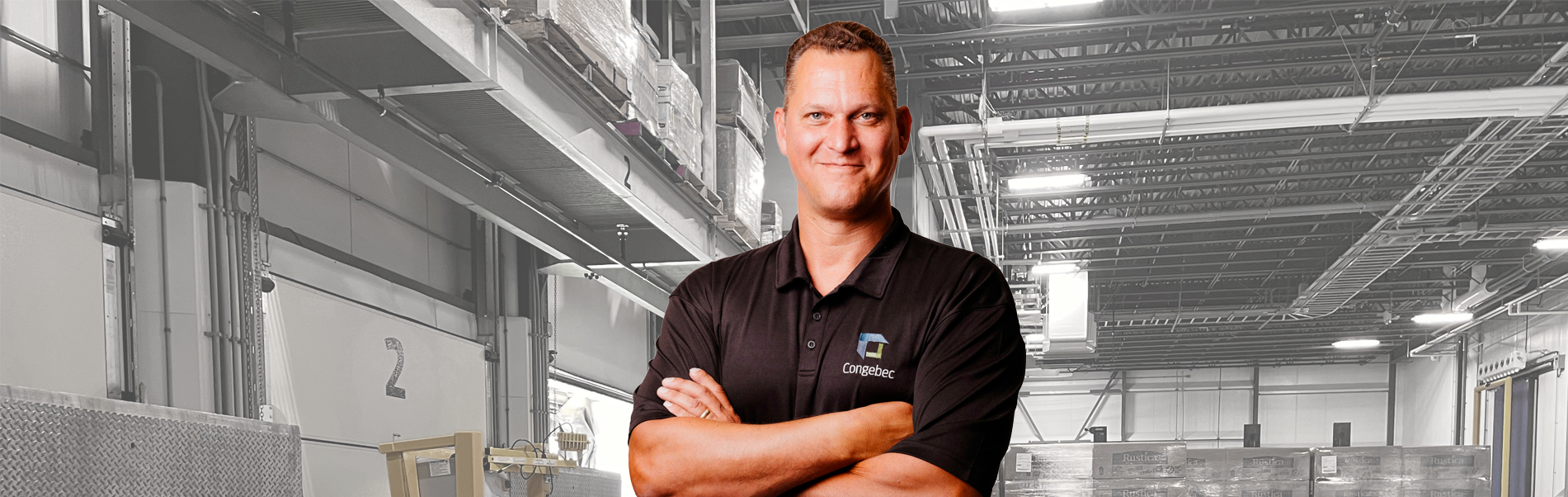
At Congebec, a national multi-temperature logistics company, supervisors rotate between B.C. sites to support internal inspections. This approach promotes knowledge sharing and brings a fresh set of eyes to each location.

“It gives you a different perspective,” says Judina Arends, Vancouver operations manager. “When you see the same space every day, you can miss small issues. Rotating people around sites lets us catch more.”

Training is also essential. Warehouse supervisor Bobbie Jacques attends RackSafeBC sessions on racking inspections and maintenance in cold storage facilities.

“Every session is different,” she says. “Recently, I learned how to fix damaged racking instead of replacing everything.” She sees the meetings as practical and useful. “Seeing examples from other warehouses makes me want to improve our own.”

Inspections led by WorkSafeBC

WorkSafeBC prevention officers can inspect any workplace, at any time, with or without notice. These visits are opportunities for WorkSafeBC officers to introduce themselves to the workplace.

They give employers and workers a better understanding of their responsibilities and let them see officers as a source of health and safety information and support.

Some inspections are based on risk, such as the type of work or known hazards. But any workplace may be inspected as part of prevention efforts.

“Inspections can feel a bit nerve-wracking at first,” says Reba Hiebert, a people and culture specialist with Congebec. “But as I got to know the officers, I saw how valuable they are. Officers are a great resource.”

“Congebec is a good example of a company that takes safety seriously,” says Jesse Parker, a WorkSafeBC occupational safety officer. “When I first visited, their supervisor greeted me and showed a strong understanding of workplace safety.”

Who is involved

A prevention officer leads the inspection. Employers, supervisors, and workers are encouraged to take part because each group plays a vital role in safety.

Senior leaders may attend or send a representative. Supervisors should always be involved, because they share safety information with workers and help follow up on changes. Joint health and safety committees or worker safety representatives should also take part whenever possible.

What happens during an inspection

An inspection often begins with a review of basic workplace information. Officers may look at health and safety programs, first aid records, incident investigation reports, risk assessments, and work procedures. They may also speak with workers about how tasks are done.

Depending on the situation, an officer may walk through the whole workplace or focus on certain areas, such as equipment or maintenance work. They may take notes or photos to document what they see, and employers are also encouraged to write down what is discussed.

If issues are found, officers provide suggestions on ways to meet regulations. They may issue an order that outlines what must be done and when. Orders are a standard way to communicate requirements and support follow-up.

What orders mean for employers

One common concern for employers is what happens when an order is issued.

Orders or compliance agreements issued during an inspection do not directly raise premiums in themselves. Instead, they address risks that can lead to injuries and higher costs over time. If an order is issued, the officer will explain what needs to be done and set a timeline. During a follow-up visit, the officer checks that the work is complete. Orders are legally binding and must be followed within the timeline set by the officer.

Looking beyond the obvious

Inspections also consider risks that may not be immediately visible. Officers help identify hazards that can still cause serious harm, such as chemical exposures or repetitive strain.

Using a risk-based approach, they guide employers through the hierarchy of controls to reduce risks. The goal is to control the hazards that are most likely to cause injury.

Following the hierarchy of controls, employers should look at ways to:

  • Eliminate the hazard
  • Find a substitution
  • Use engineering controls to isolate workers from the hazard
  • Consider administrative controls to change the way people work

“Start by removing the hazard if you can,” says occupational safety officer Devon Hainsworth. “If not, look at safer alternatives, equipment, or changes to work practices. Personal protective equipment is important, but it’s the last line of defense.”

During inspections, officers may ask why higher-level controls were not used. If there’s a hazardous chemical being used for cleaning, for example, Hainsworth will ask: “Is there an alternative solution that doesn’t contain this chemical that can be used instead?”

Why a proactive approach matters

“The best advice I can give to employers is to ask questions,” says Parker. “We’re here to help.”

Reaching out early can prevent problems from becoming more complex or costly.

WorkSafeBC officers know safety requirements and regulations well. Reaching out early can save employers time and money later.

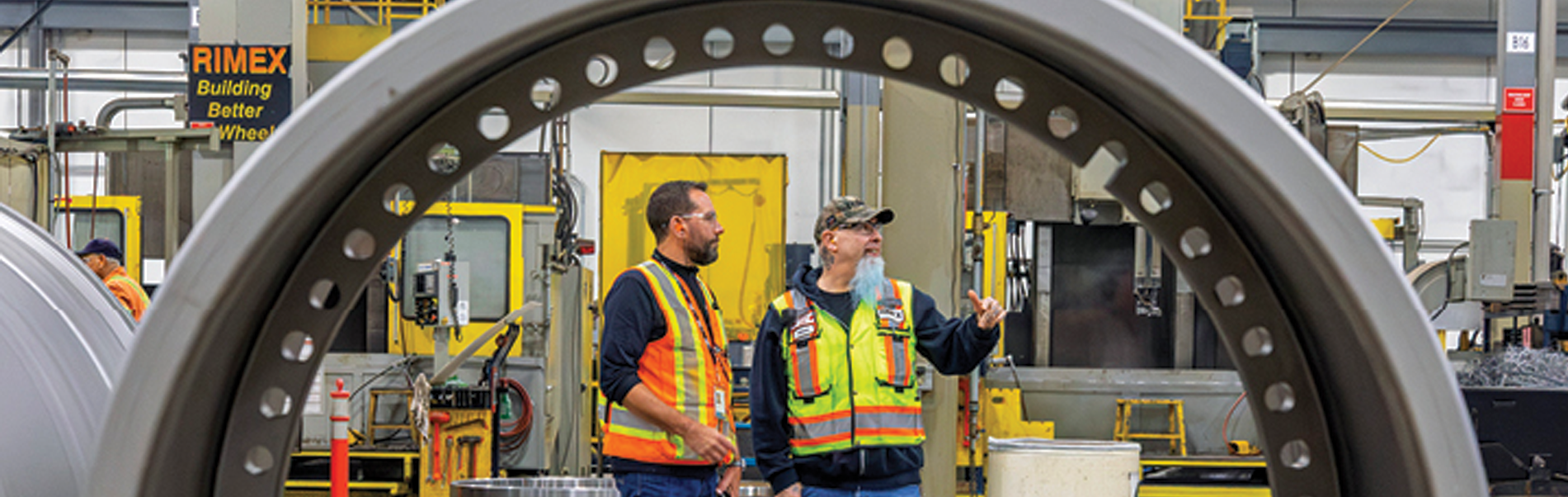
At RIMEX Supply Ltd., a manufacturer of wheels and rims, learning more about noise risks led to practical changes. The company installed decibel meters across its facilities to warn workers when noise levels are too high.

“RIMEX is a strong model of an employer that works closely with us,” says Leelond Wettstein, a WorkSafeBC occupational safety officer. “It shows in how they manage risk.”

Facilities manager for B.C. operations, Steve Bekessy, says his view of inspections has changed over time. He remembers feeling nervous during his first inspection years ago. He had just been hired by the firm as a millwright in 2012.

“WorkSafeBC has learned from many incidents over time,” he says. “They use that knowledge to make changes.” Now, Bekessy turns to prevention officers first when questions come up. “At the end of the day, do we want to redo work, or do it right the first time?”

After an incident

Some inspections take place after an incident. These inspections focus first on making the workplace safe. They may also help employers to identify what contributed to the incident so it does not happen again.

Turning findings into action

At metal manufacturer Aggressive Tube Bending, office administrator Andrea Leger has seen firsthand how inspections can strengthen safety programs.

“WorkSafeBC officers have the authority, but we all want the same thing,” shares Leger, who also sits on the Manufacturers’ Safety Council. “We want everyone to get home safe.”

With support from prevention officers, the company has built a stronger safety culture and improved its safety systems.

“When we have questions, officers don’t just point to the law,” Leger says. “They share guidelines, standards, and useful resources. Officers help us make improvements faster than doing it alone.”

Safety efforts work best when they’re seen as a long-term commitment that evolves as workplaces, hazards, and expectations change. “Workplace safety never stands still,” says Hainsworth. “It’s an ongoing journey.”

Inspections at a glance

Keep these key points in mind to get the most out of workplace inspections.

Employer-led inspections:

  • Employers must carry out regular inspections to identify hazards early and check that controls are working.
  • Involving workers supports a shared responsibility for safety.
  • A consistent approach, including training and fresh perspectives, strengthens safety practices over time.

WorkSafeBC-led inspections:

  • Prevention officers can inspect any workplace at any time, with or without notice.
  • Inspections explain responsibilities, review safety systems, and identify risks.
  • Orders are a normal part of the process and outline what must be corrected.
  • A proactive approach, including asking questions early, leads to safer workplaces.
For more information

Learn more about workplace inspections by visiting the following pages on worksafebc.com:

Employers are also encouraged to contact their health and safety associations for assistance in building safety programs, strengthening skills through training, and adapting to changing workplace risks.


On Key

More articles

MAtv: The Quest for Cold

People have always looked for ways to keep their food fresh and safe. In Where Does It Come From?, we explore the fascinating world of cold, from the humble icebox to modern refrigerated warehouses. (French version).

Read more »

The Canadian Cold Storage Specialist (French)

PHOTO EDOUARD PLANTE-FRÉCHETTE, LA PRESSE
Nicholas Pedneault, PDG de Congebec

En réalisant il y a un mois l’intégration des activités de logistique et d’entreposage frigorifique de Bradner Cold Storage, de la Colombie-Britannique, l’entreprise Congebec, de Québec, a élargi son empreinte industrielle sur l’ensemble du pays et a renforcé la souveraineté alimentaire canadienne, estime son PDG, Nicholas Pedneault.

Durant des années, en circulant sur l’autoroute 20 entre Montréal et Québec, je me suis demandé ce que faisait exactement l’entreprise Congebec avec son immense entrepôt blanc qui sortait de nulle part à la hauteur de Manseau.

Le PDG de l’entreprise qui offre des services d’entreposage frigorifique et de distribution et qui comptait 11 sites au Québec, en Ontario, au Manitoba, en Saskatchewan et en Alberta me l’a enfin expliqué dans la foulée de l’annonce d’une importante transaction que vient de réaliser Congebec.

« On a construit cet entrepôt frigorifié en 2008 dans le Centre-du-Québec pour les producteurs de canneberges. À l’époque, l’industrie connaissait de grandes difficultés et on a bâti et opéré ce site dédié durant 15 ans, jusqu’en 2023, lorsque les producteurs nous l’ont racheté », m’explique Nicholas Pedneault, fils de Laurier Pedneault, qui a fondé Congebec il y a plus de 50 ans.

En 2015, Nicholas Pedneault a racheté l’entreprise qui était dans la ligne de mire d’une firme américaine. Desjardins Capital de risque, Investissement Québec et Fondaction CSN ont financé ce repreneuriat.

« En 2020, avec les membres de notre comité de direction, j’ai racheté ces trois actionnaires. On a pu le faire parce qu’on a vendu tous nos entrepôts à Skyline, un fonds d’investissement spécialisé dans l’immobilier industriel. On n’a conservé que les activités de l’entreprise opérante qui gère un réseau de logistique alimentaire », expose le PDG.

Avec la transaction réalisée avec Bradner Cold Storage de la Colombie-Britannique, Congebec ajoute 5 entrepôts frigorifiés aux 11 qu’elle exploitait déjà, et peut surtout offrir maintenant une couverture nationale à ses clients et assurer une plus grande souveraineté alimentaire aux consommateurs canadiens. L’entreprise compte aujourd’hui plus de 550 employés au pays.

« Je connais Tim Ludwig, le PDG de Bradner Cold Storage, depuis longtemps. Depuis 10 ans, nos deux entreprises se font sans cesse courtiser par les 2 géants américains Americold et Lineage, et on voulait rester indépendants. Tim est devenu actionnaire de Congebec et il fait partie de l’équipe de direction », précise Nicholas Pedneault.

Cette association n’aura pas un impact majeur sur le volume d’affaires de Congebec – moins de 10 % d’augmentation, selon Nicholas Pedneault –, mais l’accès à ce nouveau marché va permettre de générer de la croissance à long terme.

« On va avoir une belle fenêtre sur l’Asie alors que le port de Vancouver représente un fort potentiel d’exportations. Nos sites sont situés principalement dans la Fraser Valley, mais on prévoit de s’installer à proximité du port », anticipe le PDG.

Une activité méconnue

L’entreposage frigorifié est indispensable à l’industrie agroalimentaire. C’est par ces entrepôts répartis partout dans le monde que transitent une impressionnante quantité d’articles qui serviront à la consommation alimentaire.

Congebec reçoit des produits de partout dans le monde, mais en exporte encore davantage du Canada vers plus d’une cinquantaine de pays.

On a de gros volumes de porcs, de bœufs et de poissons canadiens qui transitent par nos entrepôts avant d’être acheminés à l’étranger. On est comme une banque. Nos clients viennent y déposer leurs produits pour les retirer par la suite. – Nicholas Pedneault, PDG de Congebec

Contrairement à ce que les gens pensent, les entrepôts frigorifiés de Congebec ne contiennent à peu près pas d’articles que l’on retrouve dans les sections de produits surgelés des supermarchés, comme les pizzas ou les TV diners ; ce sont plutôt des produits frais comme la viande et le pain qui y transitent.

Avec l’ajout des capacités de la Colombie-Britannique, Congebec dispose aujourd’hui de plus de 70 millions de pieds cubes d’entrepôts, dont les plus gros se retrouvent dans les régions de Montréal et de Toronto. L’entrepôt de Québec permet de desservir tout l’est du Canada.

« Depuis 10 ans, on observe un ralentissement de la croissance du secteur agroalimentaire au Québec. On a construit un gros entrepôt à Mascouche en 2023 en prévision d’une augmentation de la transformation, mais ça ne progresse pas au même rythme que dans le reste du Canada. »

« En Ontario, l’agroalimentaire surpasse maintenant l’industrie automobile, ce n’est pas le cas au Québec, où la croissance stagne », observe Nicholas Pedneault.

Maintenant que Congebec a un réseau d’entrepôts qui couvre l’ensemble du territoire canadien, son PDG prévoit que la prochaine étape de son développement devrait se faire du côté du transport réfrigéré, où les conditions d’opération sont très difficiles au Canada et où il n’existe pas de transporteurs spécialisés exclusivement dans ce marché.

L’entreprise souhaite d’abord se doter d’une bonne expertise dans le domaine avant d’éventuellement réaliser l’acquisition d’un parc de camions réfrigérés.

« L’autre opportunité que nous allons explorer sera de réaliser des partenariats ou des alliances comme celle qu’on vient de faire avec Bradner Cold Storage avec des entreprises de logistique et d’entreposage frigorifique américaines. Il y en a encore qui sont restées indépendantes et qui veulent continuer de l’être. On pourra mieux servir nos clients canadiens aux États-Unis, c’est une belle opportunité de croissance », prévoit Nicholas Pedneault.

On Key

More articles

MAtv: The Quest for Cold

People have always looked for ways to keep their food fresh and safe. In Where Does It Come From?, we explore the fascinating world of cold, from the humble icebox to modern refrigerated warehouses. (French version).

Read more »

Congebec maintains Canada’s food sovereignty (French)

Congebec offre des services logistiques multitempérature à valeur ajoutée
pour les industries de l'alimentation, de la vente au détail et des produits emballés. (Photo: KODA)

Partager :

Facebook
Twitter
LinkedIn

L’élection de Donald Trump ne motive pas cette acquisition, mais elle tombe à point nommé pour le Canada. En avalant Bradner Cold Storage en Colombie-Britannique, le fournisseur québécois de services logistiques Congebec consolide son réseau au pays et maintient la souveraineté alimentaire du Canada. Il ouvre ainsi davantage le marché canadien à nos entreprises agroalimentaires qui souhaitent réduire leur exposition au marché américain.

«La transaction avec Bradner n’a pas été faite dans une optique d’exportation ou de diversification des exportations. Ce n’est pas leur marché principal. Ils ont un marché beaucoup plus de distribution et de gestion de la production», souligne en entrevue le chef de la direction de Congebec, Nicholas-P. Pedneault.

Même si Congebec distribue des produits pour des clients dans une cinquantaine de pays, l’intégration de l’entreprise britanno-colombienne renforce avant tout son offre au Canada, pour offrir une seule plateforme logistique, en anglais et en français, d’un océan à l’autre, précise l’entrepreneur.

«Des entreprises québécoises peuvent être servies en français partout au Canada. C’est assez rare comme service dans notre domaine. Nous avons vraiment la capacité de bien servir nos clients québécois comme ontariens dans la langue de leur choix, partout au pays. C’était ça qu’on avait en tête quand on a fait cette transaction-là», insiste Nicholas-P. Pedneault.

Établie à Québec, Congebec offre des services logistiques multitempératures à valeur ajoutée pour les industries de l’alimentation, de la vente au détail et des produits emballés. Son chiffre d’affaires est supérieur à 100 millions de dollars et la PME emploie 550 personnes.

Les actionnaires majoritaires sont les membres de la direction. Norea Capital détient une participation minoritaire. Congebec offre trois gammes de services à ses clients: le suremballage, une plateforme de distribution et de l’entreposage préproduction.

Cinq nouvelles installations en Colombie-Britannique

Avant cette acquisition, Congebec avait 11 installations au Québec, en Ontario, au Manitoba, en Saskatchewan et en Alberta. À la suite l’achat de Bradner Cold Storage, le fournisseur de services logistiques ajoute cinq autres installations à son parc immobilier, toutes situées en Colombie-Britannique.

Cette transaction crée d’ailleurs le plus grand réseau canadien d’installations multitempératures au Canada, selon Congebec.

Fondée en 1974, la société a grandi et s’est étendue ailleurs au Canada en faisant des acquisitions stratégiques au fil de son histoire, comme celle de Westco Multitemp Distribution Centres, en 2013.

Cette transaction a permis à Congebec de mettre la main sur des établissements multitempératures à Calgary (en Alberta), à Saskatoon (en Saskatchewan) et à Winnipeg (au Manitoba).

Nicholas-P. Pedneault voit d’ailleurs dans la plus récente acquisition de Bradner Cold Storage une manière d’accroître le contrôle des Canadiens sur le secteur de la logistique au Canada, «un domaine qui est dominé» par des intérêts américains, fait-il remarquer.

«Nous avons vraiment la capacité de bien servir nos clients québécois comme ontariens dans la langue de leur choix, partout au pays. C’était ça qu’on avait en tête quand on a fait cette transaction-là», insiste Nicholas-P. Pedneault.
(Photo: KODA)


Maintenir la souveraineté alimentaire du Canada

«C’est super important pour nous de maintenir la souveraineté alimentaire du Canada», affirme le chef d’entreprise.

Au pays, le joueur dominant dans l’industrie est la multinationale américaine Lineage, inscrite à la bourse NASDAQ aux États-Unis.

Sur son site web, l’entreprise se présente comme «la plus grande société d’investissement immobilier (REIT) spécialisée dans les entrepôts à température contrôlée au monde, disposant d’un réseau immobilier moderne et stratégiquement situé».

Les principales installations de Lineage sont situées en Amérique du Nord, en Europe et en Océanie (Australie et Nouvelle-Zélande).

En août 2022, Lineage a acheté la société canadienne VersaCold Logistics, qui exploitait 24 installations à températures contrôlées dans neuf provinces.

Nicholas-P. Pedneault souligne que le modèle d’affaires de son entreprise est très différent de celui de Lineage. La priorité de la multinationale américaine serait de créer un parc mondial immobilier avec des actifs réfrigérés, tandis que Congebec focalise sur les solutions logistiques.

«D’un côté, nous, on a un focus sur du service et de l’intégration de la chaîne d’approvisionnement. De l’autre côté, il y a des Américains où c’est plus une question d’immobilier», souligne l’entrepreneur.

On Key

More articles

MAtv: The Quest for Cold

People have always looked for ways to keep their food fresh and safe. In Where Does It Come From?, we explore the fascinating world of cold, from the humble icebox to modern refrigerated warehouses. (French version).

Read more »

Congebec, Bradner Cold Storage merge operations

Partager :

Facebook
Twitter
LinkedIn

Congebec and Bradner Cold Storage partner to create a network of multi-temperature storage facilities across Canada. This strategic alliance reinforces Canada’s supply chain industry across six provinces: Quebec, Ontario, Manitoba, Saskatchewan, Alberta, and British Columbia, bringing the total network to 16 locations.

The merger combines Congebec‘s logistics resources with Bradner Cold Storage’s expertise and locations in British Columbia. It leverages Bradner’s expertise in frozen, fresh, and dry logistics while offering access to the Trans-Pacific trade routes through Vancouver.

Nicholas-P. Pedneault, CEO of Congebec, stated, “This partnership marks a significant milestone in our journey to provide unparalleled cold storage solutions across Canada and internationally. By uniting our strengths, we are thrilled to deliver exceptional value and service to our customers who are embracing more than ever the demand for Canadian products.”

Tim Ludwig, CEO of Bradner Cold Storage, now part of Congebec’s ownership group, added, “We’re proud of what we’ve built at Bradner, which created the foundation to join forces with Congebec and expand our reach across North America. Together, we will set new standards in the cold storage industry and drive innovation in logistics and transportation.”

On Key

More articles

MAtv: The Quest for Cold

People have always looked for ways to keep their food fresh and safe. In Where Does It Come From?, we explore the fascinating world of cold, from the humble icebox to modern refrigerated warehouses. (French version).

Read more »

Congebec: environmental protection at the service of profitability (French)

Share:

Facebook
Twitter
LinkedIn
On Key

More articles

MAtv: The Quest for Cold

People have always looked for ways to keep their food fresh and safe. In Where Does It Come From?, we explore the fascinating world of cold, from the humble icebox to modern refrigerated warehouses. (French version).

Read more »

Bel Canada, Congebec and Banques alimentaires du Québec join forces to fight food waste and food insecurity with innovative project (French)

Share:

Facebook
Twitter
LinkedIn
From left to right: Catherine Lambert (Congebec), Communication, Employer Branding & Government Affairs Strategist, Véronique Beaulieu-Fowler (Banques alimentaires du Québec), Director, Philanthropy, Gaëlle Since (Bel Canada), Distribution Network Manager, France Pomerleau (Congebec), President, Congebec Inc., Magalie Mbossoro (Bel Canada), Lamiaa Mohamed (Congebec), Director, Transportation and Logistics.

Bel Canada, un acteur majeur de l’alimentation offrant des portions saines laitières, fruitières ou végétales, Congebec, leader dans la logistique et la gestion des produits alimentaires multi-température, ainsi que Banques alimentaires du Québec (BAQ), association provinciale de 34 membres Moisson et associés desservant près de 1 300 organismes communautaires locaux affiliés, annoncent aujourd’hui un partenariat hors du commun afin de réduire le gaspillage alimentaire et redistribuer les produits au réseau de BAQ. Alors que les demandes d’aide alimentaire sont plus nombreuses que jamais, cette initiative novatrice permet de récupérer et de redistribuer des denrées, en accord avec l’objectif commun de Bel Canada et de Congebec de réduire le gaspillage alimentaire.

« Chez le Groupe Bel, nous avons comme mission d’offrir une alimentation saine et responsable pour tous. Nous sommes fiers des mesures tangibles que nous avons mises en place pour atteindre notre objectif de zéro destruction de produit dans nos opérations canadiennes, notamment à notre usine de fabrication Babybel® à Sorel-Tracy », affirme Marie-Eve Robert, vice-présidente marketing et développement durable de Bel Canada. « Plus de 46 % de la nourriture est gaspillée chaque année au Canada1. Ce programme, en collaboration avec Congebec et Banques alimentaires du Québec, jouera un rôle clé dans la lutte contre le gaspillage et l’insécurité alimentaires tout en optimisant la performance de notre chaîne d’approvisionnement. En tant que leader dans le secteur, nous espérons que notre engagement incitera d’autres entreprises à rejoindre cette belle collaboration. »

Initialement mise en place par Congebec, cette initiative vise à récupérer les denrées invendables dans la chaîne d’approvisionnement. Unique en son genre au Canada, cette initiative de Congebec se déploie en trois étapes stratégiques : offrir gratuitement des espaces d’entreposage à Banques alimentaires du Québec, encourager la participation de ses clients et fournir un accompagnement dans la chaîne logistique pour maximiser le partage des denrées. Par exemple, lorsque des produits sont abîmés, mais encore consommables, ils sont transférés dans les espaces d’entreposage que Congebec met à disposition de Banques alimentaires du Québec.

« Notre expertise en logistique et en congélation est unique dans la chaîne d’approvisionnement alimentaire et c’est pourquoi nous nous sommes engagés à soutenir le réseau d’aide alimentaire pour conserver les aliments et permettre leur distribution de façon optimale », mentionne Nicholas-P. Pedneault, chef de la direction de Congebec. « Depuis l’annonce officielle de notre partenariat avec Banques alimentaires du Québec en 2023, l’impact sur nos communautés en termes d’aide alimentaire et à travers notre rôle crucial de prévention du gaspillage alimentaire s’est fortement fait ressentir. Les services de congélation que nous offrons permettent aux banques alimentaires d’accéder à des produits de grande valeur comme ceux de Bel Canada. Grâce à ce nouveau partenariat, nous souhaitons démontrer que, en tant qu’entreprise citoyenne, nous avons un rôle important à jouer dans la lutte contre le gaspillage et l’insécurité alimentaires. »

Selon BAQ, on a enregistré une hausse de 13 % des demandes d’aide alimentaire répondues chaque mois depuis 2023, et un million de demandes de plus depuis 2021. Au total, 35% des bénéficiaires sont des enfants, 36 % sont des adultes vivant seuls et 20% ont un emploi comme principale source de revenus.

« Depuis 2019, les demandes ne font qu’augmenter, c’est du jamais vu. Nos membres font tout ce qu’ils peuvent sur le terrain pour répondre à la demande. Malheureusement, nous ne constatons aucun signal de ralentissement qui laisserait présager un avenir meilleur, et l’étude d’Aviseo le confirme », affirme Martin Munger, directeur général, Banques alimentaires du Québec. « Nous croyons fortement que la collaboration est la clé pour lutter contre l’insécurité alimentaire, et c’est pourquoi ce partenariat novateur avec le Groupe Bel Canada et Congebec est si précieux. Nous espérons que cette initiative encouragera d’autres entreprises et acteurs de l’industrie à se joindre à nous. »

À propos de Bel Canada

Bel Canada est une filiale du Groupe Bel, acteur majeur sur le segment du snacking sain fromager, fruitier et végétal. Son portefeuille de produits différenciés et d’envergure internationale tels que La Vache qui rit®, Kiri®, Babybel®, Boursin®, Nurishh®, Pom’Potes® ou GoGo squeeZ®, ainsi qu’une vingtaine d’autres marques locales, lui ont permis de réaliser en 2023 un chiffre d’affaires de 3,6 milliards d’euros. Créée en 2005 pour accélérer le développement des activités du Groupe au Canada, la filiale emploie aujourd’hui 250 personnes, dont 95 au siège social à Montréal, contribuant ainsi à la mission du Groupe qui est de proposer une alimentation plus saine et plus responsable pour tous. Ses marques Boursin® et La Vache qui rit® sont produites en sous-traitance au Canada avec des partenaires locaux et Babybel® est produite dans l’usine de Sorel-Tracy, au Québec. Bel Canada possède également le Groupe MOM, fabricant des compotes de fruits GoGo SqueeZ® basé à Toronto. Pour en savoir plus, visitez le site www.bel-canada.ca. Pour en savoir plus sur le Groupe Bel, visitez le site www.groupe-bel.com.


À propos de Congebec

Congebec est un fournisseur canadien de services logistiques à température multiple qui offre des services de distribution à valeur ajoutée pour l’industrie alimentaire, de détail et des biens emballés pour la vente au détail. Engagé en sécurité alimentaire, Congebec est un leader sur le marché canadien et se classe au 7e rang en importance en Amérique du Nord et au 13e rang à travers le monde. Comptant 500 employés et 50 ans d’expérience, l’entreprise opère 11 installations modernes totalisant plus de 65 millions de pieds cubes. Ces installations sont réparties stratégiquement au Québec, en Ontario, au Manitoba, en Saskatchewan et en Alberta. Pour en savoir plus, visitez le www.congebec.com.


À propos de Banques alimentaires du Québec

Le réseau de Banques alimentaires du Québec (BAQ) est présent partout au Québec avec ses 34 membres régionaux, souvent appelés Moisson. Ceux-ci assurent un approvisionnement en denrées nutritives à 1 300 organismes communautaires qui offrent de l’aide alimentaire à 556 000 personnes chaque mois. Depuis 1988, BAQ permet la mise en commun de ressources et d’expertises afin de contrer l’insécurité alimentaire et soulager la faim chez les populations vulnérables. Pour en savoir plus, visitez le www.banquesalimentaires.org.

On Key

More articles

MAtv: The Quest for Cold

People have always looked for ways to keep their food fresh and safe. In Where Does It Come From?, we explore the fascinating world of cold, from the humble icebox to modern refrigerated warehouses. (French version).

Read more »

Food in Canada: Bel joins forces with Congebec, Food Banks of Quebec to reduce food waste

Share:

Facebook
Twitter
LinkedIn
From left to right: Catherine Lambert (Congebec), Communication, Employer Branding & Government Affairs Strategist, Véronique Beaulieu-Fowler (Banques alimentaires du Québec), Director, Philanthropy, Gaëlle Since (Bel Canada), Distribution Network Manager, France Pomerleau (Congebec), President, Congebec Inc., Magalie Mbossoro (Bel Canada), Lamiaa Mohamed (Congebec), Director, Transportation and Logistics.

Bel Canada, Congebec, multi-temperature logistics provider of value-added distribution services for the food, retail and packaged goods industries, and Food Banks of Quebec (FBQ) partner to reduce food waste and redistribute products to the FBQ network.

“At Bel Group, our mission is to provide healthy and responsible food for everyone. We are proud of the tangible measures we have implemented to achieve our goal of zero product destruction in our Canadian operations, particularly at our Babybel manufacturing plant in Sorel-Tracy,” said Marie-Eve Robert, VP marketing and CSR at Bel Canada. “More than 46 per cent of food is wasted every year in Canada. This program, in collaboration with Congebec and Food Banks of Quebec, will play a key role in the fight against food waste and insecurity while optimizing the performance of our supply chain. As a sector leader, we hope our commitment will encourage other companies to join this great collaboration.”

Initially set up by Congebec, this initiative aims to recover unsellable food from the supply chain. This initiative is rolled out in three stages: offering free storage space to Food Banks of Quebec, encouraging the participation of its customers and providing support in the supply chain to maximize food sharing. For example, when products are damaged but still edible, they are transferred to the storage spaces that Congebec makes available to Quebec food banks.

“Our expertise in logistics and freezing is unique in the food supply chain, and that is why we are committed to supporting the food aid network to preserve food and enable its optimal distribution,” explained Nicholas-P. Pedneault, CEO of Congebec. “Since the official announcement of our partnership with Food Banks of Quebec in 2023, the impact on our communities in terms of food aid and through our crucial role in preventing food waste has been strongly felt. The freezing services we offer give food banks access to high-value products like Bel Canada’s. Through this new partnership, we want to demonstrate that, as a corporate citizen, we have an important role to play in the fight against food waste and food insecurity.”

According to FBQ, there has been a 13 per cent increase in requests for food aid, which have been fulfilled each month since 2023, and one million more requests since 2021. In total, 35 per cent of the beneficiaries are children, 36 per cent are adults living alone, and 20 per cent have a job as their primary source of income.

“We strongly believe that collaboration is the key to fighting food insecurity, which is why this innovative partnership with Bel Canada and Congebec is so valuable. We hope this initiative will encourage other companies and industry leaders to join us,” added Martin Munger, Executive Director at Food Banks of Quebec.

On Key

More articles

MAtv: The Quest for Cold

People have always looked for ways to keep their food fresh and safe. In Where Does It Come From?, we explore the fascinating world of cold, from the humble icebox to modern refrigerated warehouses. (French version).

Read more »

Business Elite Canada: Cold Storage Solutions and Sustainability

We are thrilled to be featured in Business Elite Canada’s magazine, covering important topics like cold storage solutions and sustainability. During his interview, our CEO Nicholas P. Pedneault dove deeper into these subjects and highlighted how Congebec got to where it is today.

Read our story here at p.30 > https://lnkd.in/gPNWYf7k

On Key

More articles

MAtv: The Quest for Cold

People have always looked for ways to keep their food fresh and safe. In Where Does It Come From?, we explore the fascinating world of cold, from the humble icebox to modern refrigerated warehouses. (French version).

Read more »